Trust is not a “soft skill”; it’s the foundation of business performance and leadership success. Organizations that build trust in leadership move faster, adapt to change with confidence, and achieve stronger results. Without trust, execution slows down. With trust, momentum accelerates.
In today’s business climate, shaped by hybrid work models, AI disruption, economic uncertainty, and generational shifts in the workforce, building trust in organizations has never been more critical. Leaders who prioritize trust with both employees and customers create resilience, agility, and long-term competitive advantage.
Trust is the foundation of strong leadership, healthy teams, and lasting organizational success.

Trust in leadership is not just about reliability — it’s about alignment. Employees must trust that leaders:
• Will communicate openly, even when the news is tough.
• Will act consistently, not unpredictably.
• Will prioritize the organization’s long-term health, not short-term optics.
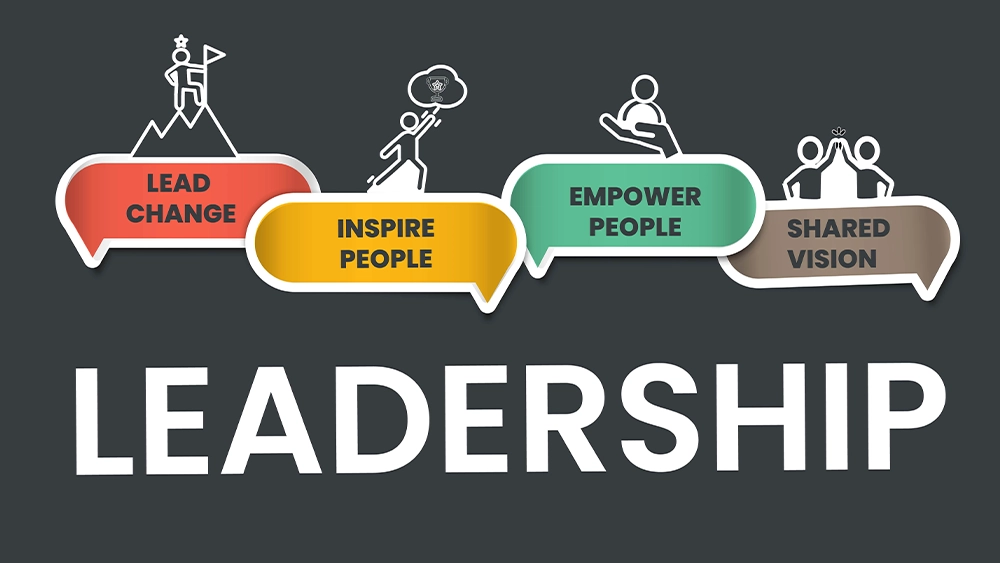
• Will empower rather than control.
Studies from Harvard Business Review show that employees in high-trust organizations report 74% less stress, 50% higher productivity, and 76% more engagement. Trust doesn’t just feel good — it directly drives performance metrics that matter.
👉 For more on developing leadership capacity, check out our Leadership Counselling & Coaching.
Micromanagement suffocates trust. By empowering employees with meaningful responsibilities, leaders signal confidence in their abilities. With the right support, empowerment fosters hybrid team trust and drives innovation.
Practical Tip: Delegate strategically. Assign projects that stretch capabilities, but pair them with support and coaching.
External insight: Gallup’s State of the Global Workplace shows that empowerment and engagement go hand in hand with trust.
The rise of hybrid and remote work, coupled with AI-driven transformation, has fundamentally changed how organizations operate. Without trust in leadership, these shifts become barriers. With trust, they become opportunities.
Hybrid work: Trust ensures productivity without constant oversight. Employees thrive when leaders trust them to deliver regardless of location.
AI adoption: Trust helps employees embrace technological change, rather than fear it. Leaders must be transparent about how AI impacts roles and growth.
Generational shifts: Gen Z and Millennials prioritize cultures built on trust, inclusion, and psychological safety. Leaders who ignore this will struggle with retention.
Trust isn’t just a leadership virtue; it’s a competitive differentiator in the future of work.